
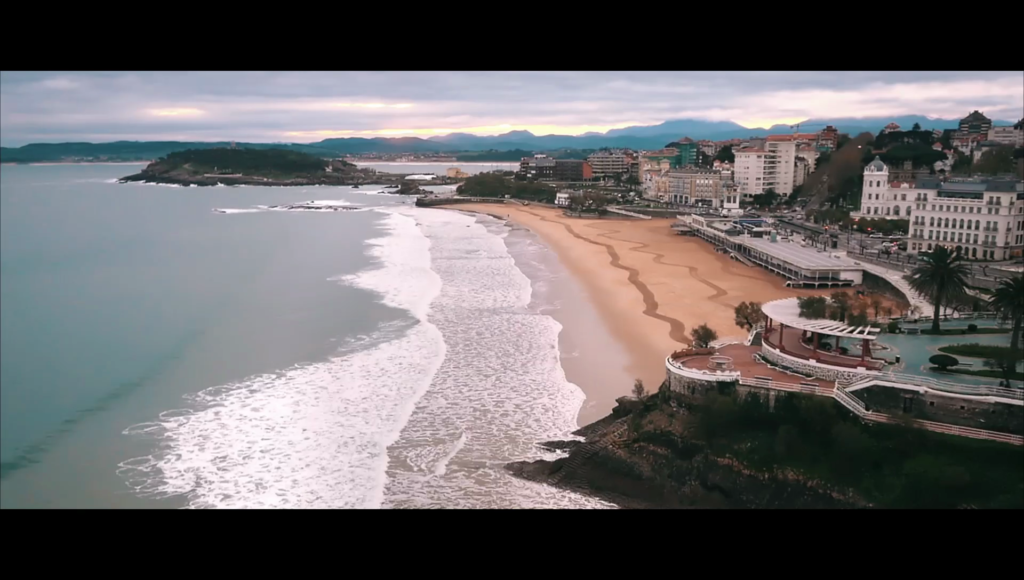
Santander is a coastal city and the capital of the autonomous community of Cantabria, located on Spain’s northern Atlantic coast (the Cantabrian Sea). With a population of around 175,000 residents, Santander combines the atmosphere of a relaxed seaside city with the cultural and economic vitality of a regional capital. It serves as the main urban hub for Cantabria, a region noted for its dramatic coastline, green landscapes, and high quality of life.
Santander’s history stretches back to Roman times, when it was known as Portus Victoriae. Over the centuries, the city developed as an important maritime and trading center. Much of the medieval old town was destroyed by the Great Fire of 1941, after which Santander was rebuilt with wide avenues and open spaces that give the city its distinctive, airy character today. One of its most emblematic landmarks is the Palacio de la Magdalena, built in the early 20th century and set on a peninsula overlooking the bay; it serves as a symbol of the city and a reminder of Santander’s role as a royal summer destination.
Santander offers a rich cultural life. The Centro Botín, a contemporary art and cultural center designed by Renzo Piano, has become a focal point for exhibitions, concerts, and public activities, linking culture with the waterfront. Other important institutions include the Museo de Prehistoria y Arqueología de Cantabria (MUPAC), which highlights the region’s exceptional prehistoric heritage, and the city’s historic Cathedral of Santander, which reflects the area’s Romanesque and Gothic past.
The city’s economy blends traditional maritime activities with modern services. Santander has long been associated with banking, commerce, and port activities, and today also plays a key role in education, research, and health services. The University of Cantabria, internationally recognized in areas such as engineering, economics, and environmental sciences, is a major intellectual and economic contributor to the region. Santander has also increasingly positioned itself as a center for innovation, with strong links between academia, business, and public institutions.
One of Santander’s defining features is its natural setting. The city is built around one of the most beautiful bays in the world, offering stunning views and a strong connection to the sea. El Sardinero, the city’s most famous beach area, combines long stretches of sand with elegant architecture and coastal promenades. The Pereda Gardens and waterfront paths provide green spaces in the heart of the city, while the surrounding region of Cantabria offers easy access to mountains, cliffs, and natural parks within a short drive.
Santander enjoys a mild Atlantic climate, with cool summers and relatively mild winters. Summer temperatures are generally comfortable, making the city particularly pleasant during the warm months, while occasional rain helps maintain the region’s greenery. This climate, together with the city’s walkability, coastal setting, and cultural offerings, creates an inviting and relaxed environment.
Santander and Cantabria offer a distinctive blend of coastal beauty, cultural depth, academic excellence, and natural richness. The balance between urban life and nature, tradition and innovation, makes the city an appealing destination for conferences, researchers, and visitors alike.